Witch's Kitchen Embroidery Design Review
If you're an embroidery designer or a small business owner in the craft space, you know that choosing the right design is half the battle. Witch’s Kitchen Embroidery Design caught my eye not just for its thematic appeal but also for how it could fit into real-world projects. Let me walk you through my thoughts after evaluating this design as if I were preparing to stitch it onto a custom tote bag for a boutique line.
A First Impression of Enchantment
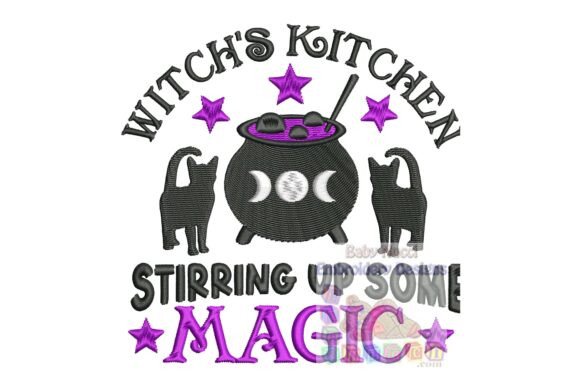
The first thing I noticed about Witch’s Kitchen Embroidery Design is its whimsical yet grounded aesthetic. It doesn’t scream “Halloween” with ghoulish imagery but instead evokes a cozy, mysterious atmosphere — think cauldrons simmering beside jars of herbs and ingredients neatly arranged on wooden shelves. The layout feels intentional, with elements layered to create depth without overwhelming the viewer. The shapes are well-balanced, and the detail level is just enough to make the design feel magical without being too fussy for everyday use.
Visually, this design has a strong personality. It tells a story — one that invites curiosity and charm. As someone who often works with themed designs for handmade products, I can say this one fits naturally into seasonal collections, especially around autumn and Halloween. However, its muted tones and rustic look also allow it to be versatile beyond just holiday-specific items.
Where This Design Shines
I see Witch’s Kitchen Embroidery Design working beautifully on a variety of substrates and products. For example:
- Custom Apparel: Sweatshirts and t-shirts with this design would instantly elevate any casual wear collection. The visual warmth makes it perfect for fall-themed fashion pieces.
- Tote Bag Design: Stitched onto a cotton canvas tote, it adds character and makes a statement — ideal for gift shops or Etsy listings.
- Pillow Covers & Tea Towels: These home décor items benefit from the design’s intricate details and storytelling quality. The witchy vibe is subtle enough for year-round appeal but still festive when needed.
- Embroidered Patches: A smaller version (like the 4X4 hoop size) could easily become an embroidered patch for jackets, backpacks, or denim — a great way to offer a compact, portable version of the theme.
- Boutique Branding: If you're running a small shop focused on artisanal or themed merchandise, this design can help establish brand recognition. Its consistent style across both sizes allows for cohesive branding at different scales.
What stands out is how the design maintains clarity even when scaled down. While it’s rich in detail, it doesn’t sacrifice legibility, which is crucial when considering multiple product applications.
Real-Life Project Considerations
Let’s imagine using Witch’s Kitchen Embroidery Design for a custom sweatshirt. You’ll want to ensure that the thread colors stand out against the fabric background. Since the design includes multiple thread shades, checking their contrast with your chosen base fabric is essential. Lighter-colored garments will show off the design best, allowing the darker thread tones to pop and maintain stitching clarity.
Stitch density is another factor to consider. Some areas of the design feature dense fill stitches, which can add texture but might cause puckering if not stabilized properly. Using a cut-away stabilizer for woven fabrics and a tear-away for knits should help keep the design flat and professional-looking.
For a tote bag design, the larger 5X7 format gives more room for expression. The extra space helps define elements like the cauldron and jars, making them more prominent and easier to stitch accurately. Still, don’t underestimate the importance of testing the design on scrap fabric first. This step ensures that the placement, scale, and overall flow work well with the item’s dimensions and purpose.
When to Use Caution
While this design is impressive, there are some situations where it needs careful handling:
- Small Hoop Sizes: The 4X4 version is manageable, but if you plan to reduce it further, be prepared for potential loss of detail. Tiny lettering or intricate lines may disappear or become distorted.
- Textured Fabrics: On fabrics like flannel or corduroy, the stitch definition may soften. This isn’t necessarily bad, but it does require adjusting expectations for the final product.
- Stretchy Materials: Stretchy fabrics such as spandex blends or jersey knits could warp the design unless you use proper tension settings and stabilizers.
- Dark Fabric Backgrounds: The design relies on lighter thread colors to highlight its features. On dark backgrounds, the effect is less pronounced. You may need to rethink the color palette or choose a contrasting base fabric.
- Curved Surfaces: When applying the design to curved surfaces like caps or hats, distortion can occur. Always test it on a similar shape before mass production.
- Frequent Washing: Dense stitch areas may pill over time if used on items like baby clothes or kitchen towels. Be sure to recommend pre-washing fabric or using durable threads if these are part of your product offerings.
In short, while Witch’s Kitchen Embroidery Design is highly adaptable, it’s not a one-size-fits-all solution. Each application requires thoughtful consideration of fabric type, hoop size, and end-use requirements.
Design Impact on Product Value and Customer Engagement
One of the key strengths of this design is its ability to enhance the visual appeal of a finished product. Whether it’s a personalized gift or a commercial item, the Witch’s Kitchen motif adds a touch of enchantment and authenticity. Customers are likely to respond positively to its nostalgic and handcrafted feel, especially those who appreciate themes related to nature, fantasy, or seasonal crafts.
From a handmade product perspective, this design elevates the presentation. It’s detailed enough to signal quality and care in execution, which builds customer trust and increases perceived value. For craft fair products, it could serve as a standout piece that draws attention and encourages buyers to stop by your booth.
As an Etsy seller or small shop product creator, this design can help differentiate your offerings. It’s unique enough to avoid feeling generic, yet familiar enough to resonate with customers looking for something special. Used consistently across product types, it can also support brand recognition and reinforce your niche market position.
Designer Notes for Optimal Results
Here are a few practical tips based on my experience working with similar machine embroidery designs:
- Test on Scrap Fabric: Before stitching on a final product, always do a trial run. This helps identify any issues with thread tension, stitch distortion, or color visibility.
- Check Thread Color Contrast: Especially important for black and white printable mockups. Make sure the design remains clear and recognizable in grayscale.
- Review Stitch Density: Dense fill areas may require adjustments depending on fabric weight. Too much pressure can lead to puckering or damage.
- Confirm Hoop Size: The digital embroidery file comes in two standard sizes: 4X4 and 5X7. Choose the right one based on your project’s scale and complexity.
- Inspect Small Details: Elements like tiny herbs or symbols are charming but fragile. Ensure they’re stable and won’t break apart during washing or wear.
- Use Proper Stabilizer: Depending on the fabric texture, opt for a stabilizer that supports the design’s structure without leaving residue.
- Compare Light and Dark Backgrounds: How the design looks can vary significantly between light and dark fabrics. Always test both to understand its versatility.
- Check Licensing: Before selling finished products or digital embroidery files, confirm whether the design allows for commercial use. This protects your business and avoids legal complications.
These steps are part of every good embroidery workflow, and they apply here just as strongly. Taking the time to evaluate each aspect of the design ensures a polished, professional result — whether you’re creating a single personalized gift or launching a new line of holiday gifts.
Final Thoughts for Makers and Sellers
As an experienced embroidery reviewer and designer, I can confidently say that Witch’s Kitchen Embroidery Design is a solid choice for a range of projects. It brings a sense of charm and craftsmanship to whatever it adorns, making it suitable for both personal and commercial embroidery work.
Its mood is warm and inviting, which means it can fit into many contexts beyond just Halloween. Think cozy apothecary-style aprons, mystical nursery decor, or even a line of custom apparel for a seasonal boutique launch. The design’s adaptability is one of its greatest strengths, provided you take the necessary precautions when using it on challenging materials or small formats.
If you’re planning to use this design in your next project, whether it’s a sweatshirt embroidery or a printable mockup for your website, approach it with a balanced mindset. It’s a beautiful and engaging embroidery file, but success depends on thoughtful preparation and understanding of your materials.
Overall, Witch’s Kitchen Embroidery Design is a valuable addition to your design assets if you're aiming for a whimsical, thematic edge in your handmade products. Just remember to treat it with the care it deserves — and your customers will thank you for it.