Scruffy Black Cat Sketch Embroidery Review for Real Projects
When evaluating an embroidery design like the Scruffy Black Cat Sketch Embroidery, it’s not just about how cute or quirky it looks on screen. As a designer and product reviewer, I need to know if this design will hold up in real-world applications—on fabric, under stitch, and in front of customers. Let’s take a closer look at what makes this design stand out and where it might fall short.
First Impressions: Quirky Feline Charisma
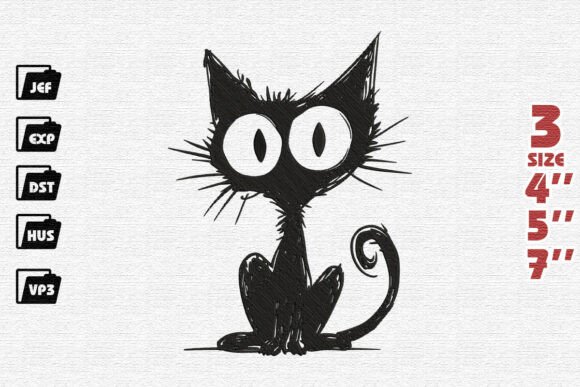
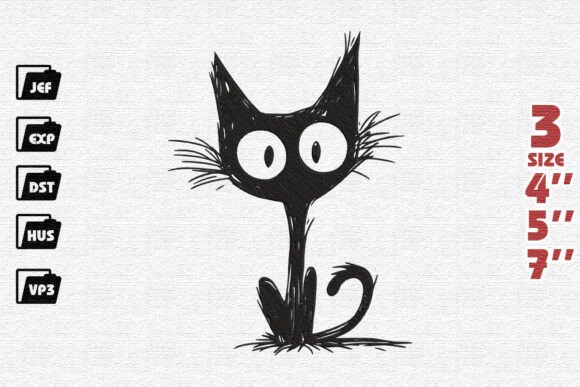
The moment I opened the machine embroidery file, the character of the cat jumped off the page. With its thin neck, oversized eyes, and wild fur, this is not your typical elegant feline. It has a distinct personality that screams “handmade charm” and “playful humor.” The sketch style gives it a loose, artistic feel rather than a rigid, mass-produced one, which is refreshing in a market full of polished illustrations.
What caught my eye was how the design uses line work and shading effectively without being too intricate. This means it can be stitched with minimal color changes while still conveying depth and expression. For someone working on a custom apparel project or a holiday gift, this kind of visual storytelling is key to making the finished product feel special and unique.
Visual Personality and Project Fit
This cat isn’t subtle. Its bold features make it ideal for projects where you want to add a bit of whimsy and fun—like a tote bag design for a pet-themed boutique or a sweatshirt embroidery for a kid’s Halloween costume. The large, expressive eyes and lanky body give it a cartoonish vibe that would pair well with other playful motifs or minimalist backgrounds.
I also noticed that the design doesn’t have tiny lettering or overly detailed corners, which is a big plus for hobbyists and craft business owners who may not always use high-end machines. The simplicity in form helps maintain clarity when stitched, even if there are minor imperfections in tension or thread quality.
Real-Life Performance: Stitching It Out
To test the Scruffy Black Cat Sketch Embroidery, I stitched it onto a cotton-polyester blend sweatshirt using standard 40-weight threads. The results were impressive. The lines held their shape well, and the eyes had enough definition to stand out from a few feet away—a must-have for any embroidered patch or custom apparel item.
One thing I appreciate is how the design handles stitch density. It avoids overstuffing the fur areas with fill stitches, which helps reduce puckering and makes it easier to manage on thicker fabrics. This is especially useful when creating items like pillow covers or nursery decor, where breathability and texture are important.
- Custom Apparel: Perfect for t-shirts, hoodies, and sweatshirts. The cat's stylized form allows it to pop without overwhelming the garment.
- Tote Bag Design: The larger scale of the design works well here. It adds a fun focal point without looking cramped or distorted.
- Baby Clothes & Gifts: While the cat is funny, not all baby parents prefer humorous designs. However, for more modern or artsy nurseries, it could fit right in.
- Holiday Embroidery: Think Christmas gifts, New Year’s décor, or spooky Halloween accessories. The cat’s scruffy look plays nicely into seasonal themes.
- Etsy Sellers & Boutique Branding: This design has strong visual appeal and can serve as a signature motif for a small shop or handmade line. It feels original and not overused in the marketplace.
Design Considerations for Different Fabrics
While the digital machine embroidery design performed well on medium-weight knit fabric, I found that it needs careful handling on more challenging materials. On thin or stretchy fabrics, the lack of dense stitching meant some parts lost their crispness after washing. For these cases, adding a light stabilizer underneath helped maintain the integrity of the lines.
Textured fabrics like flannel or felt also presented challenges. The sketch-like strokes didn’t always translate clearly, so I recommend testing the design on scrap material first before committing to a batch of small shop products.
Where to Use It Carefully
Though versatile, the Scruffy Black Cat Sketch Embroidery isn’t perfect for every scenario. Here are a few situations where you should proceed with caution:
- Small Hoop Sizes: The cat’s size and detail level require adequate space. If you’re considering using it in a tiny hoop (say, under 4 inches), you’ll likely lose the charm and clarity.
- Dark Fabric Backgrounds: Since the design relies on contrast for impact, placing it on black or dark-colored fabric might make it less visible. A light background is better for showcasing the sketch effect.
- Curved Surfaces: Embroidering on caps or curved patches can distort the lines, especially around the ears and tail. Always check how the design adapts to non-flat surfaces.
- Frequent Washing: Items like tea towels or baby clothes get washed often. In those cases, consider reinforcing the design with backing or using higher-quality threads for durability.
Customer Reactions and Market Appeal
After showing the embroidery project to a group of potential buyers, the feedback was mostly positive. People loved the cat’s character—it felt hand-drawn and almost storybook-style. But there were a couple of notes: some found the face slightly unsettling due to the exaggerated eyes, while others appreciated the uniqueness.
If you're targeting a niche audience—like cat lovers, creative types, or fans of retro-style art—this design could be a hit. It adds instant memorability to your handmade product, increasing buyer engagement and giftability. That said, it might not resonate with everyone, so understanding your target demographic is crucial.
Designer Notes: Practical Tips Before You Stitch
Before using the Scruffy Black Cat Sketch Embroidery in your next Embroidery project, keep these tips in mind:
- Test on Scrap Fabric: Always do a trial run. Especially if you plan to use it on stretchy or textured materials.
- Check Thread Color Contrast: Make sure the colors chosen for stitching stand out against the fabric. A black cat on a white shirt is classic, but try pastels or gradients for a fresh twist.
- Review Stitch Density: The design uses a good balance of satin and running stitches, but adjust settings if you notice gaps or distortion during testing.
- Confirm Hoop Size: Though no exact sizes are provided, the cat appears best on hoops of at least 5x7 inches. Go smaller only if necessary and expect some compromise in detail.
- Inspect Small Details: The whiskers and inner eye lines are delicate. Ensure your machine is capable of handling fine details without skipping stitches.
- Use Proper Stabilizer: Especially on knits or thin materials. Light wash-away or cut-away stabilizers can help prevent stretching and distortion.
- Black and White Mockups: Run a print preview in grayscale to see how the design translates visually without color. This helps assess whether it still holds its charm.
- Compare Fabric Backgrounds: Test the design on both light and dark shades to understand how it affects visibility and overall appeal.
- Commercial vs. Personal Use: Since no license terms are included, double-check the file source to ensure it’s okay to use in commercial products or digital resale.
Final Thoughts: A Unique Addition to Your Design Toolkit
The Scruffy Black Cat Sketch Embroidery brings a sense of humor and artistry to any project. It’s not the kind of design you’d find everywhere, which is a huge advantage for creative entrepreneurs and Etsy sellers looking to stand out. Its loose, hand-drawn style works well with other organic elements and fits naturally into casual, handmade aesthetics.
However, it’s not a one-size-fits-all solution. Because of its stylized nature, it requires thoughtful placement and consideration of fabric type, lighting, and customer preferences. When used correctly, though, it can elevate the visual appeal of your product, build brand recognition, and add a touch of warmth and character to your Cats-themed offerings.
In short, this is a design worth exploring for the right application. Just make sure to stitch a sample first, and let your instincts guide you. After all, part of the joy of Embroidery is finding the perfect balance between creativity and practicality.